Evaluating Rainbow Pastel Plaid Patterns for Modern Creative Projects
In the expansive world of digital design resources, pattern selection often dictates the tone and success of a project. Among the myriad options available, the Rainbow Pastel Plaid Pattern has emerged as a versatile choice for creators seeking a balance between whimsy and structure. Unlike solid colors or chaotic abstract prints, plaid offers a grid-based foundation that provides visual order, while the pastel rainbow palette introduces a soft, approachable warmth. This combination makes it particularly effective for a wide range of applications, from professional graphic design to personal crafting endeavors.
Understanding the specific utility of this pattern type requires looking beyond its aesthetic appeal. Designers and hobbyists alike must evaluate how such a resource fits into their workflow, compares to alternative styles, and meets technical requirements for both print and digital media. The following analysis breaks down the distinct characteristics of rainbow pastel plaids, offering a practical guide for those deciding whether this style aligns with their current project needs.
Defining the Aesthetic and Structural Value
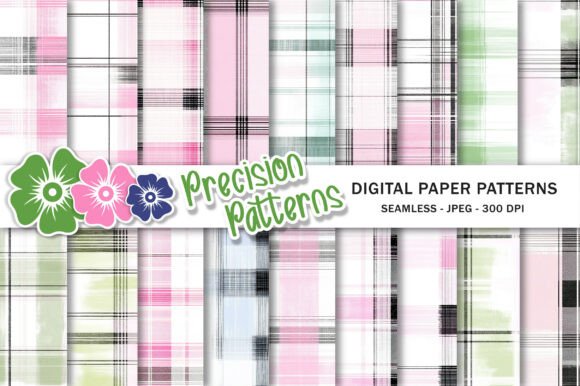
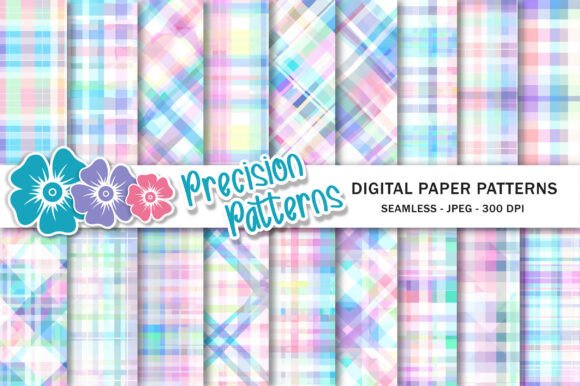
A Rainbow Pastel Plaid Pattern is defined by the intersection of two key elements: color theory and geometric structure. The "plaid" component refers to the crisscrossing horizontal and vertical bands in multiple colors. Traditionally associated with tartans or flannel, plaid can sometimes feel heavy or masculine when rendered in deep, saturated hues. However, shifting the palette to pastels—soft pinks, mint greens, baby blues, and pale yellows—fundamentally changes the perception of the pattern. It becomes lighter, airier, and more suitable for spring-themed events, nursery decor, and gentle branding.
The distinction lies in the versatility of the grid. Because the lines are organized, the eye can easily follow the structure, making it an excellent background that does not overwhelm foreground text or imagery. This is a critical consideration for website and blog design, where readability is paramount. A busy floral print might compete with body copy, but a subdued pastel plaid often recedes just enough to provide texture without sacrificing legibility. Furthermore, the rainbow aspect ensures that the pattern contains a spectrum of colors, allowing it to pair well with various accent colors without clashing.
Comparative Analysis: Plaid vs. Other Pattern Categories
When selecting digital papers, creators often weigh plaid against other popular categories such as florals, polka dots, or geometric solids. Each category serves a different functional purpose.
- Floral Patterns: While florals offer organic beauty, they can be difficult to tile seamlessly without visible repetition errors. They also tend to date quickly based on trending flower styles. In contrast, a Rainbow Pastel Plaid Pattern is timeless; the geometry remains consistent regardless of current fashion trends, offering a longer shelf-life for templates and stock assets.
- Solid Colors and Gradients: Solids are safe but can lack character. Gradients add depth but may distract from content. Plaid strikes a middle ground, providing visual interest through line weight and color variation while maintaining a neutral overall impression due to the low saturation of pastel tones.
- High-Contrast Geometrics: Bold chevrons or stark black-and-white grids are excellent for modern, edgy designs but can feel too aggressive for soft niches like birth announcements or wedding invitations. The pastel plaid alternative provides the same structural rigor but with a welcoming, celebratory feel.
This comparison highlights that the primary trade-off with plaid is complexity versus neutrality. It is more complex than a solid color, requiring careful alignment in layout software, but more neutral than illustrative patterns, making it a safer bet for diverse audiences.
Technical Specifications and Production Quality
For professionals, the aesthetic is only half the equation; technical specifications determine usability. High-quality digital paper sets, such as those featuring 20 unique variations of rainbow pastel plaids, typically adhere to strict industry standards. The standard size of 12″ x 12″ is crucial because it aligns with the dimensions used in physical scrapbooking and die-cutting machines. Even for digital-only users, starting with a large canvas allows for significant flexibility.
The resolution is perhaps the most critical factor. A resolution of 300 dpi (dots per inch) is the benchmark for professional printing. If a pattern is provided at 72 dpi (standard for web only), it will appear pixelated and blurry when printed on invitations or packaging. Therefore, ensuring that the downloaded JPEG files maintain 300 dpi is essential for projects involving physical production. Additionally, the file format matters. While PNGs offer transparency, JPEGs are universally compatible and often result in smaller file sizes for high-resolution images, facilitating faster loading times on websites and easier handling in email communications for client proofs.
Practical Applications Across Industries
The adaptability of the rainbow pastel plaid extends across numerous sectors. Understanding where it fits best helps in resource allocation.
Crafting and Scrapbooking
In the realm of physical crafts, this pattern is a staple. The 12x12 inch format is ready for use in album layouts, card making, and planner stickers. The soft colors are particularly popular for documenting childhood milestones, such as birth announcements and first birthday parties, where harsh colors are often avoided. The grid lines also serve a functional purpose in scrapbooking, acting as natural guides for aligning photos and journaling cards without the need for drawn rulers.
Digital Design and Branding
For graphic designers, these patterns are invaluable for creating cohesive brand identities for boutique businesses, bakeries, or children's product lines. They work exceptionally well as textures for social media banners and website headers. Because the pattern is seamless (or easily made so), it can be tiled across large backgrounds without obvious break points. When used in packaging design, the pastel palette conveys a sense of care and attention to detail, enhancing the unboxing experience for customers.
Event Planning and Stationery
Weddings and birthdays benefit from the cheerful yet elegant nature of pastel plaids. Unlike neon or primary color plaids which suggest a casual picnic vibe, pastel versions elevate the look to something suitable for bridal showers, baby showers, and Easter celebrations. They provide a thematic backdrop for invitations and menus that feels festive without being overpowering.
Decision Factors: When to Choose This Style
Deciding to utilize a Rainbow Pastel Plaid Pattern should depend on the specific goals of your project. This style is the right choice when:
- You need gender-neutral or inclusive designs: The mix of colors avoids leaning too heavily into traditional pink-or-blue binaries, making it ideal for co-ed baby showers or general children's content.
- Legibility is a priority: If you are designing a background for text-heavy documents or web pages, the low contrast of pastels ensures the foreground content remains the focal point.
- Scalability is required: Because the pattern is geometric, it scales up and down effectively. Whether resized for a small sticker or a large banner, the lines remain crisp, provided the source file is high resolution.
However, there are scenarios where this pattern may not be the optimal solution. If the design goal is to convey luxury, seriousness, or high-end minimalism, a plaid pattern—even in pastels—might appear too playful or craft-oriented. Similarly, if the project involves very small print areas where fine lines might blur together (such as tiny font backgrounds), a simpler texture or solid color might be safer to ensure clarity.
Workflow Integration and Ease of Use
One of the significant advantages of purchasing a curated set of digital papers is the immediate availability and ease of integration. With immediate download options, designers can access assets instantly, reducing project lead times. The ability to resize these files using standard software like Adobe Photoshop, Illustrator, Canva, or even free alternatives like GIMP means that the 12x12 source file can be adapted to any dimension required.
It is important to note that while the files are digital, they bridge the gap between virtual and physical creation. A designer can create a digital invitation, send it electronically, or print it locally with confidence, knowing the 300 dpi resolution supports both outputs. This dual-purpose capability maximizes the value of the asset, allowing a single purchase to serve multiple stages of a project lifecycle.
In conclusion, the Rainbow Pastel Plaid Pattern represents a strategic choice for creators who value versatility, readability, and a touch of soft charm. By understanding its technical strengths and comparing it against other stylistic options, users can make informed decisions that enhance the quality and appeal of their creative outputs. Whether for a professional branding package or a heartfelt handmade card, this pattern offers a reliable foundation for visual storytelling.