Evaluating Blue Ice Holographic Digital Papers for Creative Projects
In the realm of digital design and crafting, the choice of texture and background can significantly influence the final aesthetic of a project. Blue Ice Holographic Digital Papers represent a specific category of digital assets designed to mimic the iridescent, shifting qualities of holographic foil with a cool, icy blue tone. For designers, scrapbookers, and content creators, understanding the utility, limitations, and ideal applications of this specific asset type is crucial before making a purchase or integrating it into a workflow.
Understanding the Asset Specifications
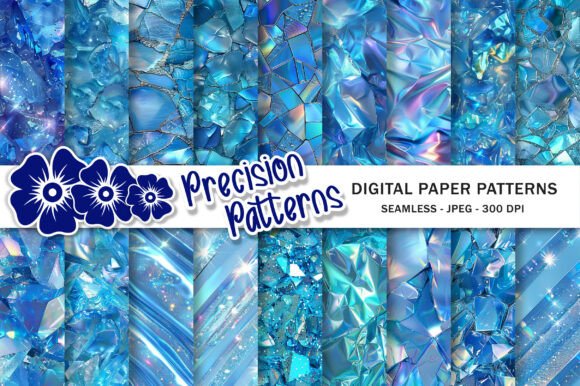
Before determining if these digital papers align with your project goals, it is necessary to examine the technical specifications provided in the standard package. Typically, a set of Blue Ice Holographic Digital Papers includes 20 unique designs. These files are delivered in JPEG format, which is a widely compatible raster image format suitable for both print and web use.
The standard dimensions for these papers are 12 inches by 12 inches at a resolution of 300 DPI (dots per inch). This resolution is the industry standard for high-quality printing, ensuring that images remain sharp and detailed when produced on home printers or professional press machines. The 12x12 size is particularly relevant for traditional scrapbooking layouts and card making, where square formats are common. However, because these are digital files, they offer the flexibility to be resized using various software applications, allowing users to adapt the texture for smaller elements like planner stickers or larger formats like social media banners.
Primary Applications and Use Cases
The versatility of holographic textures makes them suitable for a wide array of creative endeavors. The "Blue Ice" variant, with its cool color palette, is especially effective for projects requiring a modern, sleek, or winter-themed aesthetic.
- Scrapbooking and Memory Keeping: The 300 DPI resolution makes these papers ideal for physical scrapbook pages. The holographic effect adds depth to backgrounds without overwhelming photos or journaling cards.
- Greeting Cards and Invitations: For weddings, birthdays, or birth announcements, these papers can serve as the base layer for invitations. The icy hue pairs well with silver foiling, white embossing, or navy blue text.
- Digital Design and Social Media: Content creators can utilize these backgrounds for website headers, blog post graphics, or social media banners. The reflective quality of the hologram can make digital posts stand out in a crowded feed.
- Planner Stickers and Packaging: Small-scale projects benefit from the high resolution. Users can print these designs on sticker paper to create custom planner accessories or use them as liners for gift packaging.
Benefits of Digital vs. Physical Holographic Materials
One of the primary reasons creators opt for Blue Ice Holographic Digital Papers over physical holographic cardstock is cost-effectiveness and waste reduction. Physical holographic paper can be expensive and difficult to cut, often requiring specialized blades to prevent tearing. Furthermore, physical sheets come in limited quantities; if a mistake is made during cutting or printing, the material is lost.
Digital papers eliminate this risk. Since the product is an immediate download, users have unlimited access to the 20 unique designs. If a print fails or a design element needs adjustment, the file can be reprinted instantly without additional cost. Additionally, digital files allow for precise manipulation. Designers can adjust opacity, blend modes, and saturation in software like Photoshop or Canva to perfectly match their brand colors or project themes, a level of control that is impossible with pre-manufactured physical paper.
Considerations and Tradeoffs
While the benefits are significant, there are tradeoffs to consider when selecting digital holographic papers. The most notable limitation is the dependency on the user's printing capabilities. A digital file is only as good as the printer and ink used to reproduce it. Standard home inkjet printers may struggle to accurately replicate the metallic sheen and color-shifting properties inherent in a holographic design. The result may appear as a flat, glittery pattern rather than a true iridescent finish.
To achieve the authentic holographic look, users often need to print these designs on specialty substrates, such as actual holographic vinyl or foil paper, rather than standard white cardstock. This adds a layer of complexity and cost to the production process. Users must evaluate whether their current equipment and material budget can support this requirement. If the goal is a simple matte or glossy finish, a standard textured digital paper might be a more straightforward alternative.
When to Choose Alternatives
There are specific scenarios where Blue Ice Holographic Digital Papers may not be the optimal choice. For projects requiring large-format printing, such as event backdrops or trade show displays, the 12x12 inch source file may require significant upscaling. While 300 DPI is excellent for small to medium prints, enlarging a 12x12 image to poster size can result in pixelation or loss of detail unless vector-based alternatives are used.
Additionally, if a project requires a warm tone rather than a cool one, the "Blue Ice" palette may clash with existing design elements. In such cases, searching for gold, rose gold, or warm silver holographic variations would be more appropriate. Finally, for users who lack access to graphic design software or prefer a tactile experience without the hassle of printing and cutting, purchasing pre-cut physical holographic embellishments might save time and effort.
Making the Decision
Ultimately, the decision to utilize Blue Ice Holographic Digital Papers depends on the specific requirements of your project and your comfort level with digital workflows. These assets are a strong fit for crafters who need high-resolution, reusable backgrounds for paper crafts, stationery, and digital marketing materials. They offer a balance of aesthetic appeal and practical flexibility, provided the user has the means to print them effectively.
For those evaluating this product, it is recommended to review the sample images closely to ensure the shade of blue and the intensity of the holographic effect match your vision. Consider your end goal: if you need a versatile, cost-effective way to add a premium, shimmering touch to multiple projects without the commitment of buying bulk physical paper, this digital set offers a compelling solution. However, if you require guaranteed metallic finishes without the variable of home printing, exploring physical foil stocks or professional printing services may yield better results.
By weighing the convenience of instant downloads and unlimited reprints against the technical demands of achieving a true holographic finish, creators can determine if this digital collection is the right tool for their next creative endeavor.