Evaluating the Pastel Aesthetic Patchwork Pattern for Creative Projects
The Pastel Aesthetic Patchwork Pattern represents a specific style of digital design that combines soft, muted color palettes with geometric or organic quilt-like arrangements. This visual approach has gained significant traction across various creative industries, from independent crafting to professional graphic design. For individuals researching digital assets for upcoming projects, understanding the utility, limitations, and ideal applications of this pattern style is essential for making an informed selection.
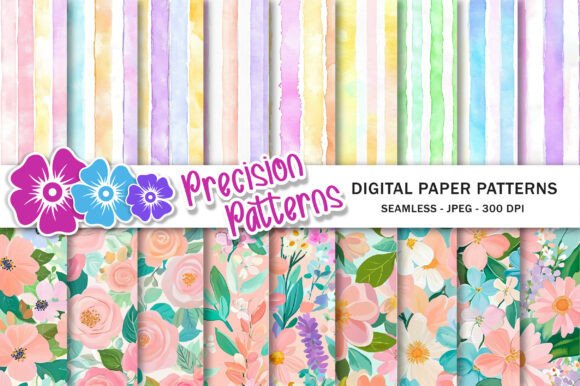
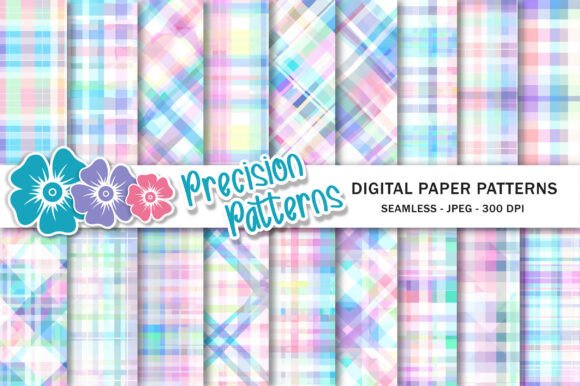
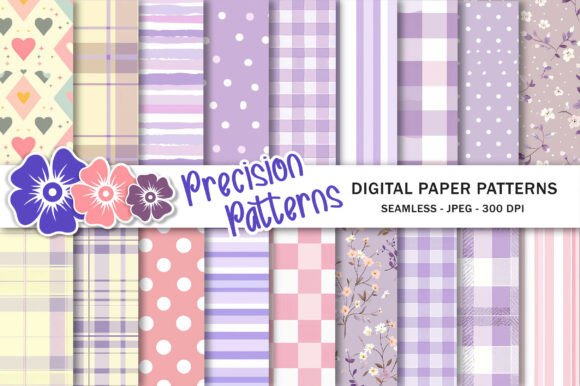
At its core, this aesthetic relies on the harmonious blending of colors such as mint green, baby pink, lavender, and pale yellow. These hues are arranged in patchwork formations, mimicking the look of traditional textile quilting but rendered digitally. The result is a background or texture that feels nostalgic yet modern, offering a sense of warmth and approachability without overwhelming the viewer. When evaluating a set of these patterns, such as a collection containing 18 unique digital papers, one must consider how these visual elements translate into practical use cases.
Key Characteristics and Technical Specifications
When selecting digital papers for professional or personal use, technical specifications are just as important as the visual style. A standard high-quality set of Pastel Aesthetic Patchwork Patterns typically adheres to industry standards to ensure versatility. For instance, a resolution of 300 DPI (dots per inch) is critical. This density ensures that the images remain crisp and clear when printed, preventing pixelation in physical outputs like invitations or packaging.
The file format is another crucial consideration. JPEG is the most common format for these assets due to its universal compatibility with nearly all image editing software, word processors, and web platforms. However, users should be aware that JPEG is a raster format, meaning it is composed of pixels. While the prompt notes that these files are "easy to resize," there are limits. Enlarging a 12″ x 12″ image significantly beyond its original dimensions can lead to a loss of quality. Therefore, these patterns are best suited for projects that stay within or near the provided 12-inch square dimensions.
The inclusion of multiple unique designs within a single set—such as 18 variations—adds value by providing cohesion across a project while preventing visual monotony. This allows a designer to use different patches for different sections of a scrapbook page or varying pages of a planner while maintaining a unified brand or theme.
Ideal Applications and Use Cases
The versatility of the Pastel Aesthetic Patchwork Pattern makes it a strong fit for a wide array of applications. Its primary strength lies in projects that require a gentle, inviting, and organized visual structure.
- Scrapbooking and Journaling: The patchwork style naturally complements the layout of memory-keeping projects. It serves as an excellent background for photos, providing structure without distracting from the main subjects. The pastel tones are particularly effective for baby albums, childhood memories, or spring-themed journals.
- Event Stationery: For weddings, birthdays, and baby showers, these patterns offer a sophisticated yet playful backdrop for invitations and birth announcements. The soft colors align well with themes centered around new beginnings, celebration, and tenderness.
- Digital Planning and Stickers: With the rise of digital planning on tablets, these 12″ x 12″ sheets are perfectly sized to be imported into planning apps. They can be used as full-page backgrounds or cut into smaller elements to create custom planner stickers.
- Packaging and Branding: Small business owners often utilize these patterns for product packaging, such as lining boxes or wrapping tissue paper. The aesthetic conveys a handmade, thoughtful quality that resonates with customers purchasing artisanal goods.
- Web and Social Media: While primarily designed for print, these patterns can be adapted for digital use. They work well as backgrounds for blog headers, social media banners, or website sections where a soft, textured look is desired to break up solid white space.
Benefits and Tradeoffs
Adopting a pre-made set of digital papers offers distinct advantages, primarily in terms of time efficiency and cost-effectiveness. Creating a cohesive set of 18 unique patchwork patterns from scratch requires significant skill in color theory and composition. By utilizing an immediate download set, creators bypass the design phase and move directly to execution. This is particularly beneficial for small business owners or hobbyists who need to produce materials quickly.
However, there are tradeoffs to consider. Since these are raster images (JPEGs), they lack the infinite scalability of vector graphics. If a user intends to print a large-format banner or a massive wall mural, a 12″ x 12″ file at 300 DPI may not suffice without noticeable quality degradation. In such scenarios, vector-based alternatives or seamless repeating patterns that can be tiled indefinitely might be a more appropriate choice.
Furthermore, the "pastel aesthetic" is a specific stylistic choice. While popular, it may not align with brands or projects requiring bold, high-contrast, or dark-mode visuals. Users evaluating this style must ensure it matches their overall branding strategy. If a project requires a serious, corporate, or high-energy tone, the softness of pastel patchwork might undermine the intended message.
Decision-Making Insights for Buyers
When determining whether the Pastel Aesthetic Patchwork Pattern aligns with your goals, consider the end medium of your project. If the primary output is physical print within the 12x12 inch range (or slightly smaller), this format is highly effective. The 300 DPI resolution guarantees professional print quality for cards, flyers, and scrapbook pages.
Conversely, if the project involves large-scale signage or requires frequent recoloring of individual elements, this asset type may present limitations. JPEG files do not support transparent backgrounds, which means the white or colored borders of the patchwork squares cannot be easily removed without advanced editing. Users needing isolated elements should look for PNG files with transparency or vector formats like SVG or EPS.
It is also important to verify the licensing terms associated with the download. While many sets allow for personal and commercial use, restrictions often apply regarding reselling the digital files themselves. The value of these assets lies in their application within a larger creative work, not as standalone products.
Conclusion
The Pastel Aesthetic Patchwork Pattern serves as a versatile and visually appealing resource for a broad spectrum of creative endeavors. Its combination of soft color theory and structured geometry makes it particularly well-suited for life-event stationery, memory keeping, and boutique packaging. By understanding the technical constraints of raster files and the specific mood conveyed by pastel tones, creators can effectively decide if this style supports their artistic vision. For those seeking a balance between nostalgic charm and modern digital convenience, a high-resolution set of these patterns offers a practical foundation for bringing diverse projects to life.