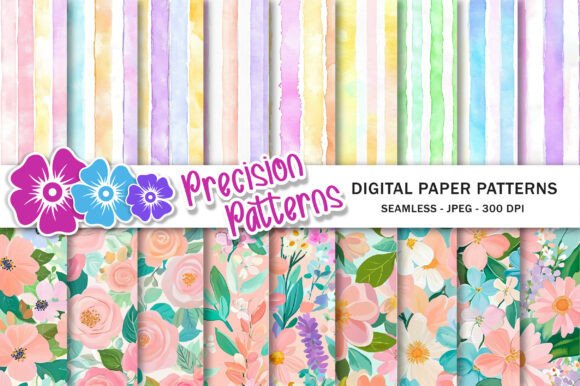
Evaluating Watercolor Floral Pastel Stripes Pattern for Modern Design Projects
In the evolving landscape of digital design and crafting, selecting the right visual assets is a critical step that influences the tone and professionalism of a final project. Among the myriad of textures and motifs available, the Watercolor Floral Pastel Stripes Pattern has emerged as a versatile resource for creators seeking a balance between organic artistry and structured layout. This specific style combines the soft, fluid characteristics of hand-painted watercolors with the geometric consistency of striped backgrounds, all rendered in a muted, pastel color palette. Understanding where this pattern fits within the broader ecosystem of design resources requires a look at its unique properties, practical applications, and how it compares to alternative styles.
Defining the Aesthetic and Technical Characteristics
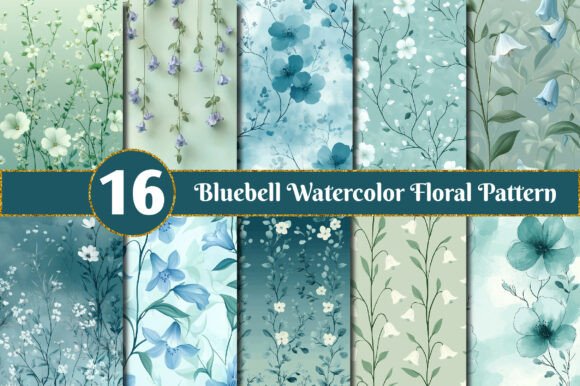
The appeal of a Watercolor Floral Pastel Stripes Pattern lies in its hybrid nature. Traditional stripes can sometimes feel too rigid or corporate, while standalone floral watercolors may lack the directional flow needed for certain layouts. By merging these elements, designers achieve a background that offers movement without chaos. The "pastel" aspect is particularly significant; unlike high-saturation primaries often found in children's designs or bold neons used in modern pop art, pastel tones provide a soothing backdrop that allows foreground text and imagery to remain legible.
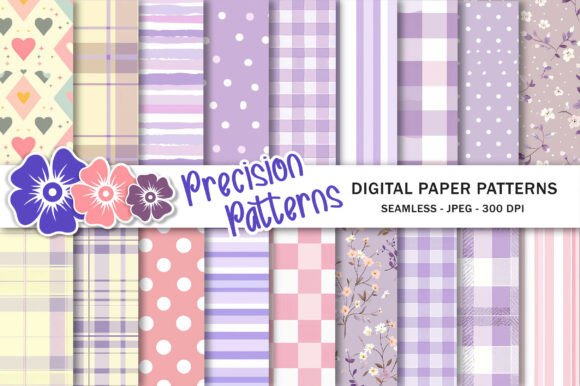
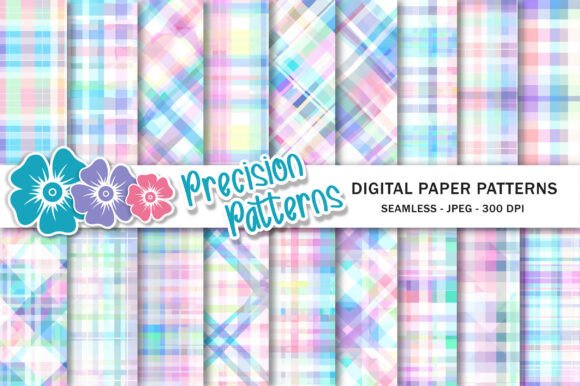
From a technical standpoint, the utility of these patterns depends heavily on resolution and format. High-quality sets typically offer files at 300 DPI (dots per inch), which is the industry standard for print production. A common dimension for these digital papers is 12″ x 12″, a size originally rooted in the scrapbooking industry but now widely adopted for general graphic design due to its square versatility. When evaluating a collection, such as a set containing 20 unique digital papers, it is essential to verify that the files are provided in a universally compatible format like JPEG. This ensures immediate usability across different software ecosystems, from professional Adobe suites to user-friendly Canva interfaces, without requiring complex conversion processes.
Comparative Analysis: Watercolor Stripes vs. Alternative Styles
When choosing a background texture, creators often weigh several options. Comparing the Watercolor Floral Pastel Stripes Pattern against other popular categories reveals distinct trade-offs.
- Vector Graphics vs. Raster Watercolors: Vector patterns offer infinite scalability and crisp lines, making them ideal for large-format signage. However, they often lack the textural depth and organic imperfections that define the watercolor aesthetic. If a project requires a hand-crafted, emotive feel—such as a wedding invitation or a personal blog header—the raster-based watercolor approach is superior. The limitation, naturally, is resizing; while high-resolution JPEGs can be scaled significantly, they are not infinitely scalable like vectors.
- Solid Colors and Gradients: Plain backgrounds are safe and clean but can appear sterile. A pastel stripe pattern introduces visual interest and guides the eye horizontally or vertically, adding structure to a page without the heaviness of a solid block of color.
- Geometric vs. Organic Patterns: Strictly geometric patterns (like perfect chevrons or grids) convey modernity and precision. In contrast, the watercolor floral variant introduces a sense of warmth and approachability. This makes it a better fit for industries or events focused on care, celebration, and personal connection, such as healthcare branding, baby showers, or lifestyle blogging.
Practical Applications Across Industries
The versatility of this pattern type allows it to serve diverse functions. Its application extends far beyond simple decoration, acting as a foundational element in various creative workflows.
Print Media and Physical Crafts
For physical projects, the 300 DPI resolution is non-negotiable. This specification ensures that when printed, the soft edges of the watercolor flowers do not appear pixelated or jagged. This makes the pattern ideal for scrapbooking, where layers of paper are common, and for packaging design, where texture adds perceived value to a product. Event planners frequently utilize these designs for invitations and birth announcements. The pastel palette is particularly effective here, as it complements a wide range of ink colors for typography, ensuring readability while maintaining a festive yet elegant atmosphere.
Digital Design and Web Presence
In the digital realm, these patterns serve as excellent backgrounds for website and blog design. When used as a hero image or a section divider, the horizontal nature of stripes can help anchor content. For social media banners, the 12x12 inch source file provides ample resolution to be cropped into various aspect ratios required by platforms like Instagram, Facebook, or Pinterest. Furthermore, digital planners have become a massive market; these patterns are perfectly suited for creating planner stickers or full-page backgrounds that reduce eye strain compared to stark white interfaces.
Decision Factors: When to Choose This Style
Selecting the right asset involves matching the tool to the task. A Watercolor Floral Pastel Stripes Pattern is the optimal choice when the project goals include:
- Evoking Softness and Elegance: If the brand voice or event theme is gentle, romantic, or nostalgic, the watercolor texture communicates this instantly.
- Needing Immediate Deployment: Digital downloads that offer immediate access allow for rapid prototyping. Unlike commissioning custom artwork, which takes days or weeks, utilizing a pre-made set of 20 unique variations allows a designer to test multiple concepts in a single session.
- Balancing Detail with Simplicity: When a design needs more character than a solid color but less distraction than a busy photographic background, this pattern hits the "Goldilocks" zone.
However, there are scenarios where this pattern may not be the best fit. If a project demands high-contrast, industrial aesthetics, or if the final output requires scaling to billboard sizes where vector graphics are mandatory, a raster watercolor pattern might present limitations. Additionally, for users who require transparent backgrounds to layer over complex images, they must ensure the JPEG files provided can be easily masked or if PNG versions are necessary, though high-res JPEGs often suffice for opaque background usage.
Maximizing Value Through Software Flexibility
The true value of a digital paper set is unlocked by its compatibility with various tools. The ability to easily resize and manipulate these patterns in different software environments is a key consideration. Professional graphic designers might import these JPEGs into Adobe Photoshop or Illustrator to adjust color curves, blend modes, or opacity to match specific brand guidelines. Meanwhile, hobbyists and small business owners might drag and drop these files directly into online editors like Canva or Cricut Design Space for quick customization.
The inclusion of 20 unique digital papers in a single set provides a strategic advantage. It offers variety in color temperature and floral density, allowing a creator to maintain a cohesive theme across a multi-page document or a series of social media posts without repetition. This variety prevents visual fatigue for the audience while keeping the branding consistent.
Final Considerations for Resource Selection
In conclusion, the Watercolor Floral Pastel Stripes Pattern represents a specific intersection of art and utility. It is not merely a decorative image but a functional tool that solves specific design problems related to tone, readability, and aesthetic cohesion. Whether utilized for weddings, birthdays, or commercial graphic design, its effectiveness relies on the quality of the source file and the appropriateness of the style for the intended message.
Creators should evaluate their specific needs regarding resolution, format, and emotional impact before downloading. By understanding the distinctions between this organic, pastel-heavy style and more rigid or vibrant alternatives, designers can make informed decisions that elevate their projects. As the demand for authentic, hand-crafted visuals continues to grow in a digital-first world, resources that successfully mimic traditional media while offering digital convenience will remain indispensable assets in the creative toolkit.