Mastering the Heart Trellis Pattern for Professional Craft and Design Projects
The Heart Trellis Pattern has quickly become a staple for creators looking to infuse warmth and structure into their visual projects. Whether you are designing wedding invitations, crafting planner stickers, or building a cohesive brand identity for a small business, this specific motif offers a unique blend of romantic aesthetics and geometric stability. However, simply downloading a set of digital papers is not enough to guarantee professional results. Many crafters and designers stumble over technical details that can undermine the quality of their final output. By understanding the nuances of resolution, file formats, and scaling, you can avoid common pitfalls and ensure your creative vision translates perfectly from screen to print.
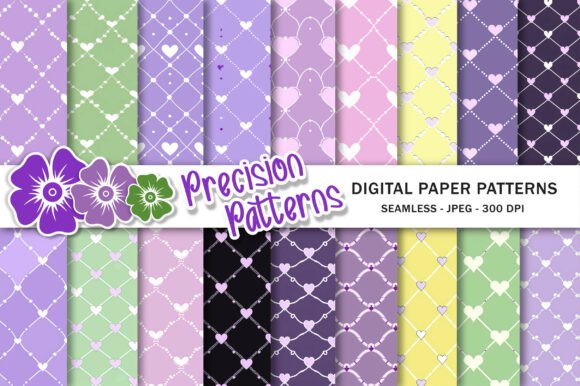
At its core, a heart trellis design combines the softness of heart shapes with the orderly repetition of a lattice or grid. This makes it incredibly versatile. It works beautifully as a subtle background for birth announcements where legibility is key, yet it holds enough visual interest to stand alone on social media banners or packaging. The appeal lies in its ability to be both decorative and functional. However, the ease of access to digital assets often leads to a false sense of security regarding their usability. A frequent misunderstanding is assuming that all "digital paper" sets are created equal, particularly when it comes to how they handle resizing and printing.
Avoiding Resolution and Scaling Errors
One of the most critical mistakes beginners make involves ignoring the relationship between image dimensions and resolution. You might find a Heart Trellis Pattern that looks crisp on your monitor, only to discover it appears pixelated or blurry once printed. This usually happens when users attempt to upscale an image beyond its intended limits. The set described here offers files at 300 DPI (dots per inch) with a size of 12″ x 12″. This is the industry standard for high-quality printing. If you try to stretch these images to cover a large website banner or a billboard without understanding pixel density, you will lose clarity.
To avoid this, always check the native size of your file before placing it in your design software. If your project requires a larger format than 12x12 inches, do not simply drag the corner handles to expand the image. Instead, look for vector versions if available, or tile the pattern seamlessly if the design allows. For the specific JPEGs in this collection, sticking to the 12x12 limit ensures sharp lines and clean edges. Remember, 72 DPI is sufficient for screens, but anything less than 300 DPI will result in a muddy print. Always verify your document settings in programs like Photoshop, Canva, or Illustrator match the source file's resolution.
Choosing the Right Format for Your Workflow
Another area where creators often face unnecessary friction is file format compatibility. This collection provides files in JPEG format, which is universally compatible but comes with limitations compared to PNG or SVG files. A common error is attempting to remove the white background from a JPEG to layer it over colored cardstock or other graphics. Because JPEGs do not support transparency, you may end up with an unsightly white box around your hearts, ruining the seamless look of your scrapbook page or invitation.
If your project requires layering, consider using blending modes in your editing software to integrate the JPEG naturally, or choose designs where the background color complements your base material. For digital-only projects like blog headers or social media posts, JPEGs are excellent due to their smaller file size and fast loading times. However, for cut files used with electronic cutting machines, you would typically need an SVG or DXF. Understanding that this specific set is optimized for printing and flat design helps you select the right tool for the job. Do not force a raster image to perform vector tasks; instead, leverage its high resolution for rich, detailed prints.
Maximizing Versatility Across Different Projects
The true value of a well-chosen pattern set lies in its adaptability. A single Heart Trellis Pattern can serve multiple purposes if applied correctly. For instance, using the same design for both wedding invitations and matching favor tags creates a cohesive event theme. Yet, a frequent oversight is failing to adjust the scale of the pattern relative to the item size. A dense trellis that looks elegant on a full sheet of scrapbook paper might look cluttered and overwhelming on a tiny planner sticker.
Before committing to a print run, create a test mockup. Resize the pattern within your software to see how the hearts interact with the boundaries of your specific project. For small items like stickers or gift tags, you may need to zoom in significantly so the individual heart shapes remain distinct. Conversely, for large backgrounds like website headers, zooming out can create a subtle texture that doesn't compete with your text. This simple step of pre-visualization saves money on wasted materials and ensures a polished final product.
- Check Color Profiles: Ensure your design software is set to the correct color profile (sRGB for web, CMYK for professional printing) to prevent color shifts.
- Test Print First: Always print a single sheet on your home printer to check ink coverage and alignment before sending files to a professional service.
- Organize Immediately: Upon immediate download, organize your 25 unique papers into folders by color or intensity to streamline your workflow later.
- Respect Licensing: Even with instant downloads, review the license terms to ensure you are compliant whether using the art for personal hobbies or commercial products.
Making Informed Purchasing Decisions
When evaluating digital paper sets, it is easy to get distracted by the preview images and overlook the technical specifications. Many buyers regret their purchase when they realize the "patterns" are actually low-resolution photos or cannot be resized without distortion. The set featuring 25 unique digital papers addresses these concerns by offering a consistent 300 DPI resolution across all files. This consistency is vital for professionals who need to mix and match designs without worrying about varying quality levels.
Furthermore, the convenience of an immediate download means there is no physical product to wait for, but it also places the responsibility of file management entirely on you. Unlike physical pads where you can flip through pages, digital libraries require discipline. A better approach is to create a "swatch sheet" by printing thumbnails of all 25 designs on a single page. Keep this reference near your workspace to quickly identify which pattern fits your current project needs without opening every single file.
Ultimately, the Heart Trellis Pattern is more than just a decorative element; it is a foundational tool for creating emotionally resonant designs. Whether you are a hobbyist making birthday cards for family or an entrepreneur packaging handmade goods, the quality of your materials reflects the care you put into your work. By paying attention to resolution, understanding the limitations of JPEGs, and thoughtfully scaling your designs, you elevate your projects from amateur to professional. Take the time to learn the tools at your disposal, and let these versatile patterns enhance your creativity rather than limit it.